
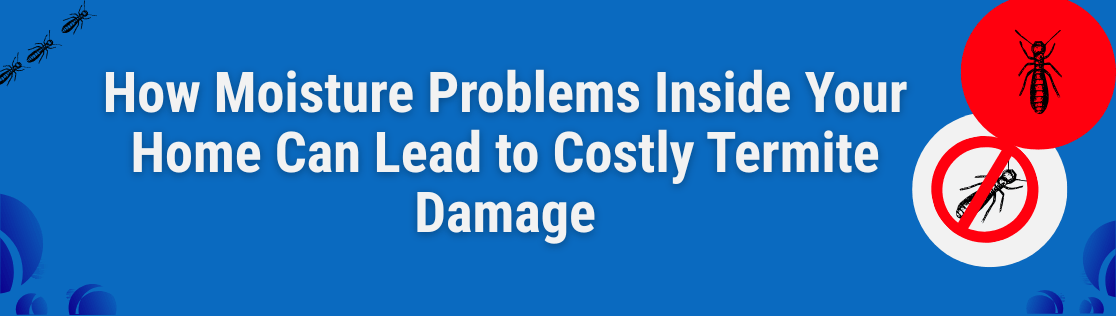
When most homeowners think about termites, they picture insects damaging wood and causing expensive repairs. Termites are certainly known for the structural damage they cause, but many people don't realize that moisture plays a major role in making a home more attractive to these destructive pests.
As experienced pest control technicians serving homeowners throughout the Knoxville area, we often find moisture issues linked to termite activity. Leaking pipes, humid crawl spaces, roof problems, condensation, and poor ventilation all create conditions where termites are more likely to thrive.
The good news is that homeowners can take steps to reduce moisture problems and lower their risk of termite damage. Understanding the connection between water and termites is one of the most important parts of protecting your home.
Why Moisture Attracts Termites
Subterranean termites are naturally drawn to environments that offer both wood and moisture. These conditions let termite colonies survive and expand while staying hidden from homeowners. A dry home with proper drainage, ventilation, and maintenance is far less appealing to termites, but moisture problems can change that quickly, creating damp areas around your foundation, crawl spaces, and structural wood.
Many homeowners assume termites only invade homes with obvious damage or neglect. In reality, even well-maintained homes can develop termite problems if moisture issues go unnoticed. This is why professional termite treatment in Knoxville, TN, often starts with identifying the moisture sources contributing to termite activity.
Plumbing Leaks Can Create Hidden Termite Risks
Small plumbing leaks may not seem serious at first. A slow drip under a sink, a leaking pipe behind a wall, or a damaged water line can create ongoing moisture that attracts pests. Over time, that excess moisture weakens wood and creates favorable conditions for termites. And because many leaks occur in hidden areas, homeowners often don't notice the problem until damage has already occurred.
Keep an eye on areas near bathrooms, kitchens, laundry rooms, and utility spaces. Water stains, musty odors, warped materials, or unexplained increases in humidity can all signal a moisture issue that needs attention. When we inspect homes for termite concerns, finding and correcting moisture sources is a key part of the process. Effective termite treatment in Knoxville, TN, works best when paired with removing the conditions that attract termites in the first place.
Crawl Space Humidity Creates the Perfect Environment
Crawl spaces are one of the most common places moisture problems develop. Because they're dark and easy to overlook, humidity can build up long before homeowners realize there's an issue. Poor ventilation, standing water, plumbing leaks, and exposed soil can all contribute to excess moisture beneath the home.
A damp crawl space attracts termites while also encouraging other pests and promoting wood deterioration. During inspections, we frequently look for damp insulation, condensation on pipes, moisture-damaged wood, and inadequate ventilation. Maintaining proper airflow and controlling humidity can significantly cut the risk of termite problems. For homeowners already dealing with termite activity, professional termite treatment in Knoxville, TN, can eliminate the infestation while moisture improvements help prevent future issues.
Roof Leaks Can Lead to Termite Problems
Many homeowners associate roof leaks with water damage in their living areas, but the effects can reach much further. A damaged roof can let water into attic spaces, wall cavities, insulation, and wooden framing. If these areas stay damp, they can become prime real estate for termites and other pests.
Even a small roof leak can cause long-term moisture problems if left unrepaired. Regular roof inspections, gutter maintenance, and prompt repairs go a long way in protecting your home. When homeowners discover termite damage, it's important to look beyond the visible problem and figure out what allowed termites to get established in the first place. Moisture is often a contributing factor.
Condensation Can Create Unnoticed Moisture Problems
Condensation is another moisture source many homeowners overlook. When warm, humid air meets cooler surfaces, water droplets form on pipes, ductwork, windows, and other areas throughout the home. Over time, repeated condensation raises moisture levels and creates conditions that favor pests.
This is especially common in homes with poor insulation or inadequate climate control. Reducing condensation may mean improving insulation, maintaining proper indoor humidity, repairing HVAC issues, or increasing airflow in problem areas. A dry, well-ventilated home is far less appealing to termites and other moisture-loving pests.
Poor Ventilation Allows Moisture to Build Up
Proper ventilation plays a major role in controlling moisture throughout your home. Bathrooms, kitchens, attics, and crawl spaces all need adequate airflow to keep humidity from accumulating. Without it, moisture gets trapped and creates hidden problems. Poor attic ventilation, for example, can contribute to condensation around roof materials, while limited airflow in crawl spaces keeps wood damp for extended periods.
Improving ventilation doesn't just protect your property from moisture damage. It also reduces the conditions that attract termites. When providing termite treatment in Knoxville, TN, we often discuss ventilation and moisture control, because prevention matters just as much as addressing an existing infestation.
Signs Your Home May Have Moisture and Termite Issues
Knowing what to look for can help you catch problems early. Some warning signs include:
- Damp or musty odors
- Water stains on walls or ceilings
- Peeling paint or damaged wood
- Excess indoor humidity
- Cracked or damaged wood near the foundation
- Mud tubes along exterior walls or crawl spaces
- Visible termite swarmers or discarded wings
These signs don't always mean termites are present, but they shouldn't be ignored. Early inspections can prevent minor concerns from becoming major repairs.
Protecting Your Home From Moisture and Termite Damage
Moisture management is one of the most effective ways to protect your home from termites. Fixing leaks, maintaining gutters, improving ventilation, and monitoring crawl spaces all help reduce the conditions termites need to survive. But prevention also means scheduling regular termite inspections, since termites often stay hidden and professional evaluations can catch risks homeowners might miss.
At Otis Pest Control, we help homeowners understand the connection between moisture and termite activity. Our goal isn't just to address current pest problems, but to provide recommendations that protect your home for the long term.
If you're concerned about termite activity or want to take preventative steps, professional termite treatment in Knoxville, TN, can help safeguard your property. By combining effective treatment with moisture control, you can reduce the risk of costly termite damage and maintain a healthier, more protected home. A dry home is one of the best defenses against termites. By staying ahead of moisture problems, you protect your biggest investment for years to come.
--
Otis Termite & Pest Control is a full-service pest control company with a focus on outstanding service. We have been serving the East Tennessee area for over 56 years and our reputation is built on prompt and effective service. We’re good at what we do and we’re fast. We do the job right the first time – and that’s an actual guarantee!
Call 865.690.1662 or visit www.otispestcontrol.net.








 112 Hayfield Road